
Therapeutic Eurythmy
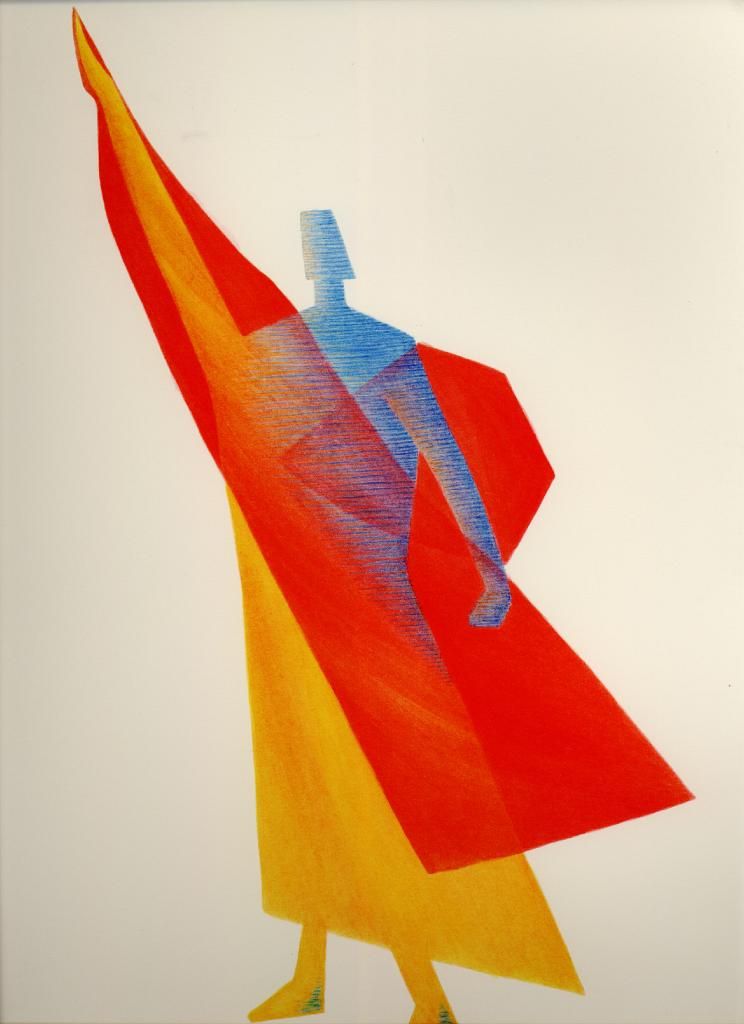
This therapy is known as Eurythmy Therapy in the UK and usually as Therapeutic Eurythmy in North America.
Eurythmy
Eurythmy means “harmonious movement”. Developed by Austrian scientist, philosopher, and educator Rudolf Steiner, eurythmy is based on the recognition that certain archetypal movements and rhythms correspond with the sounds of language. These sounds, movements, and rhythms also affect the human being’s sense of harmony or well-being.
History
- 1912
Eurythmy
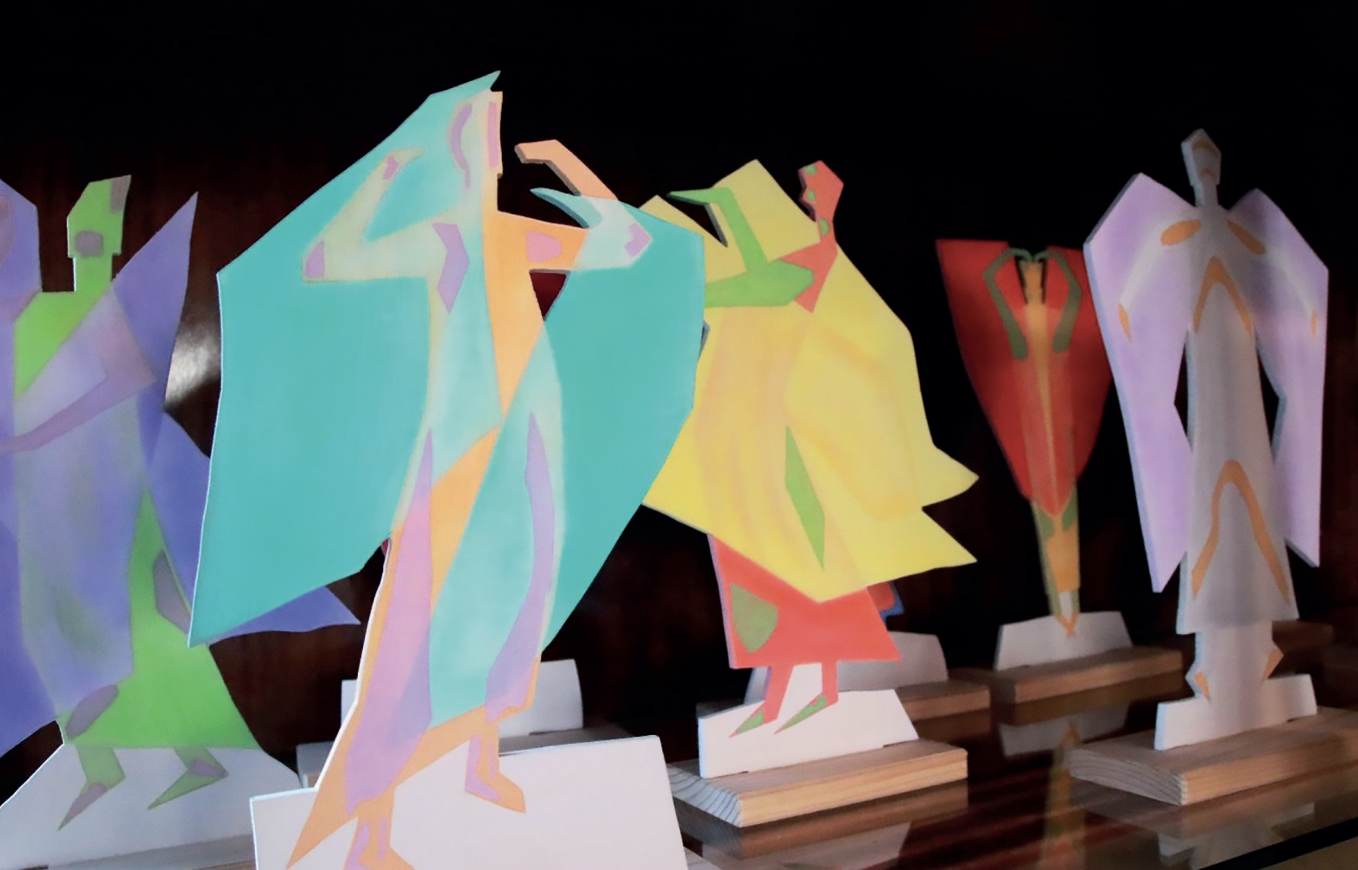
Eurythmy was first created in 1912 as a form of artistic expression and, soon after, as a means to support healthy development in children.
- 1921
Therapeutic Eurythmy
Steiner also recognized the significant therapeutic possibilities within eurythmy. In 1921, working closely with a group of physicians and eurythmists, he developed its potential to address underlying imbalances that are at the root of illness.
Approach
Eurythmy Therapists view illness as a unique possibility for transformation within the individual. The whole human being is taken into consideration – not only the bodily condition but also emotional and spiritual aspects. This view reflects the insights of anthroposophic medicine, an integrative approach to health also developed by Steiner. Anthroposophic physicians complete a full, conventional medical education as well as additional training in the field. Eurythmy Therapists work closely with an anthroposophic physician when possible.
Exercises may include rhythmic stepping and movements with copper rods or balls. For children, activities may be introduced through playful imagination.
Conditions and settings
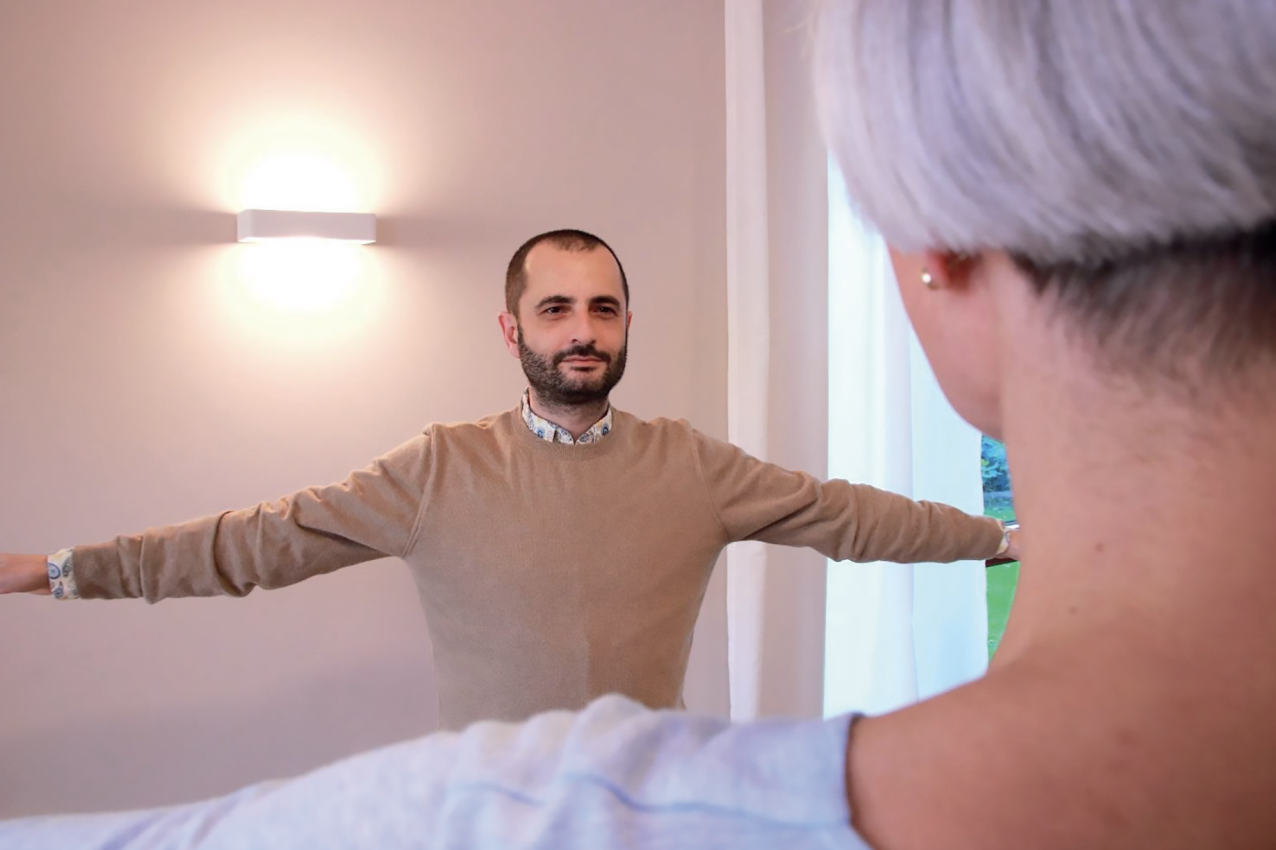
Therapeutic Eurythmy is currently practiced in hospitals, clinics, centers for special education, schools and private medical practices throughout the world.
ATHENA lists the following conditions and areas of support in its practice information:
- ADHD
- Allergies
- Anxiety
- Arthritis
- Autism Spectrum Disorders
- Back and Postural Problems
- Cancer
- Cardiac Support
- Convalescence
- Dental Irregularities
- Depression
- Developmental Disabilities
- Diabetes
- Digestive Disorders
- Emotional Issues
- Learning Difficulties
- Stress and Fatigue
- Trauma Recovery
- Women’s Health Issues
About practitioners
All practitioners listed in ATHENA’s directory are certified Eurythmy Therapists whose qualifications have been verified by ATHENA.
Becoming a Eurythmy Therapist requires dedicated postgraduate training in therapeutic movement, medical study and supervised clinical practice. Training programs are accredited through the Goetheanum Medical Section. ATHENA’s professional standards include ongoing professional development.
If you are interested in becoming a Eurythmy Therapist, explore the Therapeutic Eurythmy Training of North America (TETNA) or visit our resource library for training organizations and curriculum information.
What to expect
Exercises use movement gestures related to speech and music. Activities may include rhythmic stepping and work with copper rods or balls.
ATHENA’s 2019 brochure describes session timing as follows:
Each treatment session may last 20 to 60 minutes each (dependent on age, program, and setting).
A series of 7 to 14 sessions is usual and can be repeated as needed.
The brochure also describes a brief period of rest after each session. Your practitioner can explain the timing and arrangements for your program.
Questions to ask
- Do I need a referral?
- How long are sessions, and how often would we meet?
- Will there be exercises to practice between sessions?
- What should I wear or bring?
- What are the fees?
- How can sessions be adapted to my needs?